Cruise Tips

How to Pick the Perfect Cruise Itinerary

By John Payne  ·  May 27, 2026

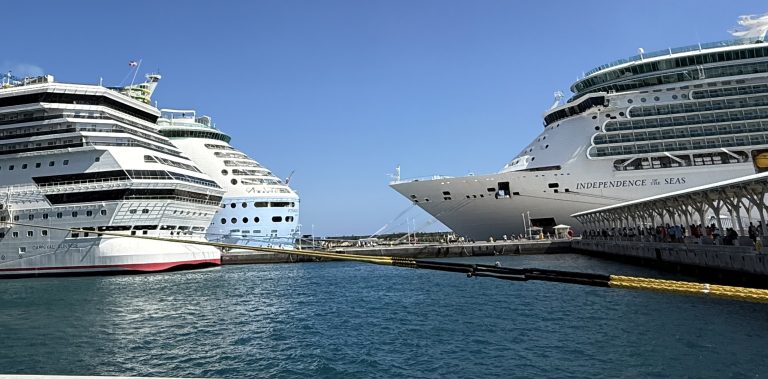
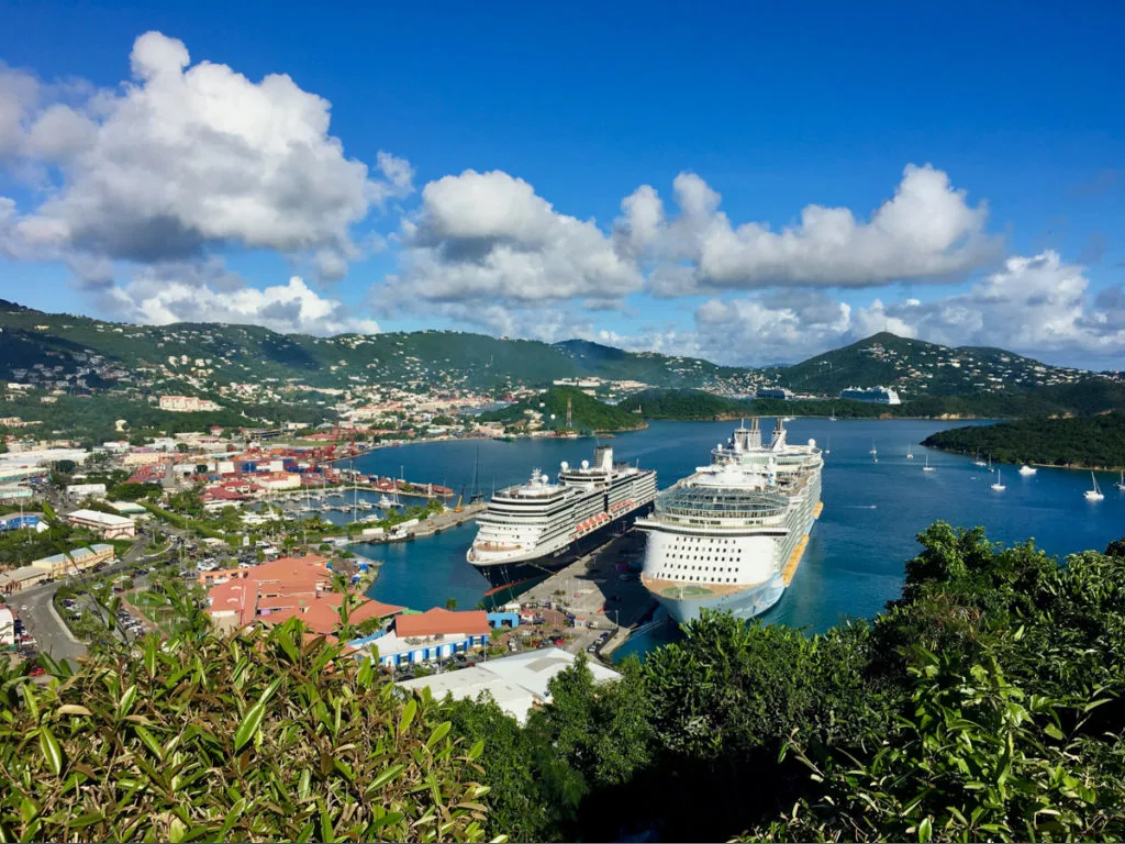
Two cruise ships docked in a Caribbean port harbor surrounded by green hills and blue water for cruise itinerary planning

How to Pick the Perfect Cruise Itinerary

Choosing a cruise itinerary sounds simple until you actually sit down to do it. There are hundreds of sailings across dozens of destinations, and the booking pages all look roughly the same. Caribbean. Mediterranean. Alaska. Seven nights. Ten nights. Eastern. Western. The options multiply fast and without a framework for thinking through what you actually want, it is easy to book something that looks good on paper and feels slightly off in person.

After 40+ sailings across multiple itineraries and destinations, our team has a clear sense of what makes an itinerary work for different kinds of travelers. Here is how to think through the decision.

Start with what you want from the trip, not the destination.

Most people approach cruise itinerary planning by picking a destination first. Caribbean sounds warm. Alaska sounds dramatic. Mediterranean sounds cultured. Those instincts are not wrong, but destination alone does not tell you whether the itinerary is right for you.

The better starting question is what kind of experience do you want. Do you want to spend most of your time on the ship itself, using the ports as a backdrop rather than the main event? Or do you want deep immersion in each destination with meaningful time ashore? Do you want beach days and warm water, or dramatic scenery and wildlife? Are you traveling with young children who need predictable schedules, or adults who want flexibility and exploration?

Your answers shape everything that follows. An itinerary-first approach almost always produces a better trip than a destination-first approach.

Caribbean itineraries: what the different routes actually mean.

Caribbean cruise itinerary planning usually comes down to Eastern, Western, or Southern routes, and the differences matter more than most first-timers expect.

Eastern Caribbean itineraries typically include St. Maarten, St. Thomas, and the Bahamas. These are the most popular routes, the most port-developed, and the most accessible for first-time cruisers. The beaches are excellent, the ports are easy to navigate, and the infrastructure for shore excursions is well established. If you want a Caribbean cruise experience without a lot of logistical complexity, Eastern Caribbean is where to start.

Western Caribbean itineraries typically cover Cozumel, Roatan, Belize, and Costa Maya. The ports tend to be less developed than Eastern Caribbean stops, which can mean more authentic local experiences but also requires a bit more planning for shore excursions. Cozumel in particular is one of the best diving and snorkeling destinations in the world and a highlight for active travelers.

Southern Caribbean itineraries go deeper into the islands, hitting destinations like Aruba, Curacao, Barbados, and Trinidad. These routes require longer sailings, typically ten nights or more, and are better suited for experienced cruisers or travelers who specifically want to explore lesser-visited islands. The tradeoff for the added distance is genuinely different destinations that most Caribbean cruisers never see.

Alaska: the itinerary that changes people.

Alaska cruise planning is a different conversation entirely. This is not a beach vacation. It is a scenery and wildlife experience unlike anything else in cruising, and the itinerary structure reflects that.

Most Alaska cruises run between Seattle or Vancouver and either Seward or Whittier in Alaska, covering the Inside Passage. The classic ports include Juneau, Ketchikan, and Skagway, with glacier viewing typically included as a scenic cruising day rather than a port stop. The ship itself becomes the attraction on those days, and being on deck when the ship moves through Tracy Arm Fjord or past the Hubbard Glacier is genuinely one of the most memorable experiences in travel.

One-way versus round-trip is the key itinerary decision for Alaska. One-way sailings between Vancouver and Seward cover more ground and allow you to see a wider range of the coastline, but they require flights at both ends which adds planning complexity and cost. Round-trip sailings from Seattle are simpler and still hit the major highlights. For first-time Alaska cruisers, round-trip from Seattle is usually the easier entry point.

How sailing length changes the experience.

Seven nights is the standard cruise length and the right starting point for most first-time cruisers. It is long enough to fully settle into the rhythm of the ship and visit three or four ports, but short enough that it does not require a major chunk of vacation time.

Three and four night sailings are a good way to test cruising for the first time without committing to a full week. The tradeoff is that short sailings often have a more party-oriented onboard culture, particularly on Carnival and Royal Caribbean’s shorter routes out of Florida, and the ship does not have time to get far enough offshore to fully leave the world behind.

Ten nights and longer open up itineraries that seven-night sailings simply cannot reach. Southern Caribbean, transatlantic crossings, full Mediterranean itineraries, and repositioning cruises all require ten nights or more. These sailings attract a different demographic, tend to be calmer onboard, and often represent the best per-night value in cruising.

Sea days versus port-heavy itineraries.

This is a preference question that a lot of first-time cruisers do not think about until they are already on the ship. Some itineraries have a port every single day. Others include one or two sea days where the ship is simply sailing with no port on the schedule.

Port-heavy itineraries maximize destination time but they are also exhausting. Getting on and off the ship every day, navigating new ports, and managing shore excursions from morning to late afternoon is genuinely tiring. By day five of a port-every-day itinerary, most people are ready for a break.

Sea days are when the ship itself becomes the destination. The pool is at its best, the spa is fully accessible, the specialty restaurants are easier to book, and the onboard entertainment schedule runs at full capacity. Experienced cruisers often say sea days are their favorite part of the trip. If you have never had a sea day, reserve judgment until you have experienced one.

Never Miss a Cruise Tip

Get destination guides, itinerary tips, and honest cruise advice delivered straight to your inbox. Join the Roaming Barefoot newsletter and let us handle the planning for you.

The itinerary question we ask every client.

Before we recommend an itinerary to anyone, we ask one question: at the end of this trip, what do you want to have felt? Not what ports you want to have seen. Not which cruise line you want to have tried. What feeling do you want to carry home with you.

Rested and recharged leads to a different recommendation than adventurous and inspired. Cultured and immersed leads somewhere different than fun and carefree. The itinerary is just the map. The feeling is the destination.

If you want help thinking through which itinerary is actually right for you rather than just which one looks good on a booking page, that is exactly what we do. Reach out at journeys@bvt.travel or fill out our quick inquiry form and we will build the right trip from the ground up.

Kick off your shoes and let us do the work.

Similar Posts

Leave a Reply

Your email address will not be published. Required fields are marked *