Travel Planning

The Complete First Time Cruiser Planning Guide

By John Payne  ·  June 2, 2026

First Time cruise planning Guide, cruise lido deck

The Complete First Time Cruiser Planning Guide

Every experienced cruiser remembers their first sailing. The embarkation day chaos, the moment the ship leaves the port, the realization somewhere around day two that this format of travel is genuinely different from anything else they have done. First-time cruisers also remember the things they wished they had known before they boarded: the questions they did not think to ask, the items they forgot to pack, the decisions they made without enough information. This first time cruise planning Guide exists to close that gap. It covers everything you need to know before you book, before you pack, and before you walk up the gangway for the first time.

CHOOSING THE RIGHT CRUISE FOR YOUR FIRST SAILING

The single most important decision a first-time cruiser makes is choosing the right ship for their first experience. A bad first cruise is almost always the result of a mismatch between the traveler and the ship, not a problem with cruising itself.

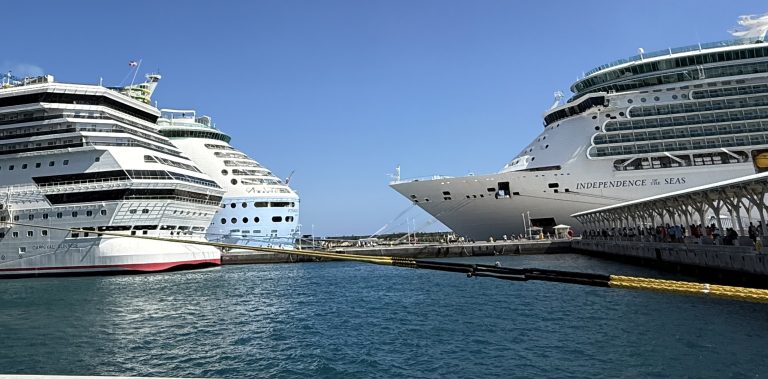
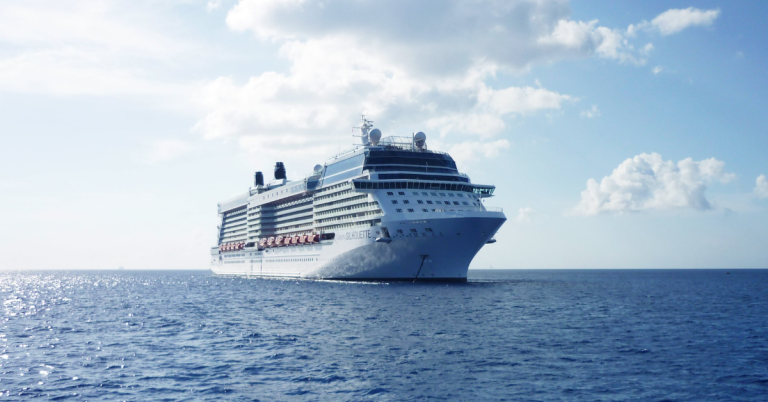
The first question to answer is what kind of vacation you are actually trying to take. If you want energy, activity, and a lot happening around you at all times, a large Royal Caribbean or Norwegian ship delivers that experience better than almost anything else in travel. If you want something more relaxed, more focused on food and atmosphere, and less overwhelming, a mid-size ship or a line like Celebrity is a better fit. If you are traveling with children and want the kids’ programming and character experiences to be central to the trip, Disney Cruise Line belongs at the top of the list.

The second question is itinerary. For a first cruise, a Caribbean sailing is the most forgiving choice. The weather is reliable, the ports are well developed for cruise passengers, the variety of excursion options is wide, and the sailing conditions in the Caribbean are generally gentler than open ocean itineraries. Alaska, Europe, and longer itineraries are all worth considering eventually, but the Caribbean gives a first-time cruiser the best environment to learn how cruising works without adding variables that can complicate the experience.

The third question is length. A seven-night sailing is the standard recommendation for a first cruise. It is long enough to settle into the rhythm of ship life and experience multiple ports without feeling rushed, and short enough that the commitment does not feel overwhelming for someone who has never cruised before.

WHAT TO KNOW ABOUT CRUISE FARES AND BOOKING YOUR FIRST TRIP

Cruise fares are quoted per person based on double occupancy, which means the advertised price is per person assuming two people share the cabin. Solo travelers and families with odd numbers need to factor that structure into their budget calculations from the start.

The fare covers your cabin, your included meals in the main dining room and buffet, onboard entertainment, and access to the ship’s standard amenities. It does not cover specialty dining, alcoholic beverages, shore excursions, gratuities, Wi-Fi, or spa services. Those are the categories where onboard spending adds up and having a realistic budget for them before you board prevents the final statement from being a surprise.

Gratuities are worth addressing specifically because they catch first-time cruisers off guard more than almost anything else. Most cruise lines charge a daily gratuity per person that covers the service staff across the ship. The amount varies by line and by cabin category but ranges from roughly eighteen to twenty-five dollars per person per day on most major lines. On a seven-night sailing for two people that is a meaningful additional cost and it belongs in the budget from day one.

Booking through a travel advisor rather than directly through the cruise line gives you access to pricing, promotions, and added amenities that are not available to the general public, and costs you nothing extra. The fare is the same or lower and the support throughout the planning process is a different experience than booking direct.

FIRTS TIMER’S GUIDE TO DOCUMENTS AND IDENTIFICATION

Every cruiser needs to understand the documentation requirements before they book, not the week before they sail.

For closed-loop sailings, which means cruises that depart and return to the same United States port, United States citizens can sail with a valid United States passport or a government-issued photo ID plus an original birth certificate. A passport is always the better choice because it protects you if a medical emergency or missed embarkation requires you to fly home from a foreign country without the ship.

For open-jaw sailings that depart from one port and return to a different one, and for all international sailings that include a foreign port of call where you go ashore, a valid passport is required. Passport processing times vary and can extend significantly during peak periods. If your passport needs to be renewed or obtained for the first time, starting that process as early as possible is the right call.

Minors traveling with one parent or with non-parental guardians may require additional documentation depending on the destination and the cruise line. Confirming those requirements at the time of booking rather than discovering them at the pier is essential.

Get more out of every trip

The Roaming Barefoot newsletter brings you honest cruise advice, destination guides, and travel tips from the Barefoot team. Twice a month, straight to your inbox.

WHAT EMBARKATION DAY ACTUALLY LOOKS LIKE

Embarkation day is the most logistically intense day of any cruise and knowing what to expect makes it significantly less stressful.

Check-in for most major cruise lines is now completed online before you arrive at the port. That means uploading a photo, entering your passport information, selecting a boarding time, and completing any health or safety forms through the cruise line’s app or website. Arriving at the port with all of that completed means you move through the terminal faster and board earlier.

Your boarding time matters. The earliest boarding windows fill up quickly and are worth selecting as soon as they become available. Boarding early gives you access to the ship before the crowds, gets your luggage to your cabin sooner, and allows you to make specialty dining and shore excursion reservations before the most popular options fill up.

Checked luggage goes directly to your cabin but may not arrive until mid-afternoon. Pack a carry-on bag with anything you need for the first few hours: boarding documents, medication, a change of clothes, sunscreen, and anything else that cannot wait until your luggage arrives. If you want to know exactly what makes it into our bag after 40+ sailings, we put together a full list of what experienced cruisers always bring on board and what to leave behind.

Your cabin will not be ready immediately after boarding. That is normal and expected. The ship will have the buffet and other public areas open while cabins are being prepared. Use that time to explore the ship, grab lunch, and get oriented before the crowds build.

SEA DAYS AND HOW TO USE THEM

Sea days, which are the days the ship is sailing between ports without a scheduled stop, are one of the things first-time cruisers most underestimate. They are not dead time waiting for the next port. They are some of the best days of the sailing.

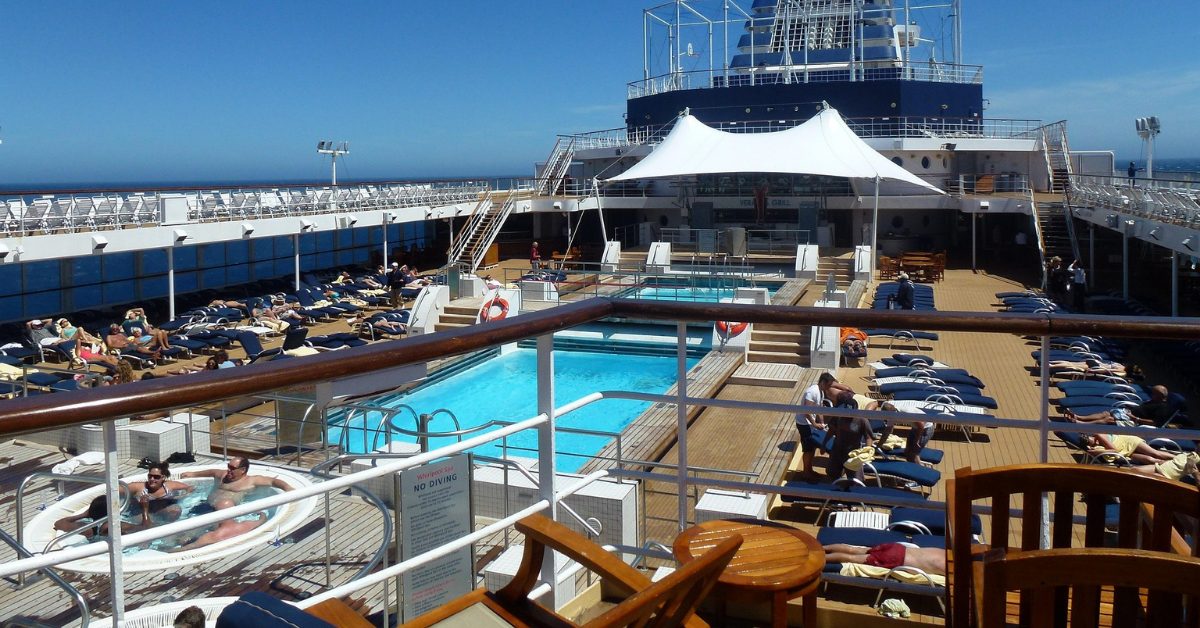
The ship’s full activity schedule runs on sea days. The pools are accessible, the entertainment team is running programming throughout the day, specialty restaurants are open, the spa is available, and the ship itself becomes the destination. Sea days are also the best time to sleep in, read, sit on the balcony, and decompress in a way that port days with early excursion departures do not allow.

Planning one or two things you want to do on each sea day and leaving the rest unscheduled is the approach that tends to produce the most satisfying sea day experience for first-time cruisers.

SHORE EXCURSIONS: WHAT TO KNOW BEFORE YOU GO ASHORE

Shore excursions are the activities and tours available at each port of call. They can be booked through the cruise line, through independent operators, or not at all if you prefer to explore independently.

Cruise line excursions cost more than comparable independent options but come with one significant advantage: if the excursion runs long and you return to the pier after the ship’s all-aboard time, the ship waits for you. Independent excursions do not carry that guarantee and the ship will sail without passengers who are not back on time. For first-time cruisers in unfamiliar ports, cruise line excursions reduce that risk considerably.

For ports where the pier is walkable to the town center or the beach, independent exploration is straightforward and does not require a booked excursion at all. Researching each port before the sailing and having a plan for how you want to spend each port day makes the experience significantly better than arriving with no plan and figuring it out at the pier.

ONBOARD LIFE: THE THINGS THAT HELP

The cruise line’s app is worth downloading and setting up before you board. Most major lines use their app for everything from dining reservations and shore excursion bookings to daily schedules and onboard messaging between traveling companions. Having it set up in advance saves time on embarkation day.

Dining reservations for specialty restaurants fill up on embarkation day. If specialty dining is part of your plan, making those reservations as soon as you board is the right move.

The main dining room has two seating options on most traditional lines: early seating, typically around six in the evening, and late seating, typically around eight thirty. My Time Dining or Freestyle Dining options are available on most lines as a flexible alternative. Selecting your dining preference at booking rather than leaving it to chance gives you the experience you actually want.

The daily schedule, called the Cruise Compass on Royal Caribbean or a similar name depending on the line, is delivered to your cabin each evening for the following day. Reading it the night before and flagging anything you want to attend prevents you from missing things you would have enjoyed.

Is This the Year You Finally Book That Cruise?

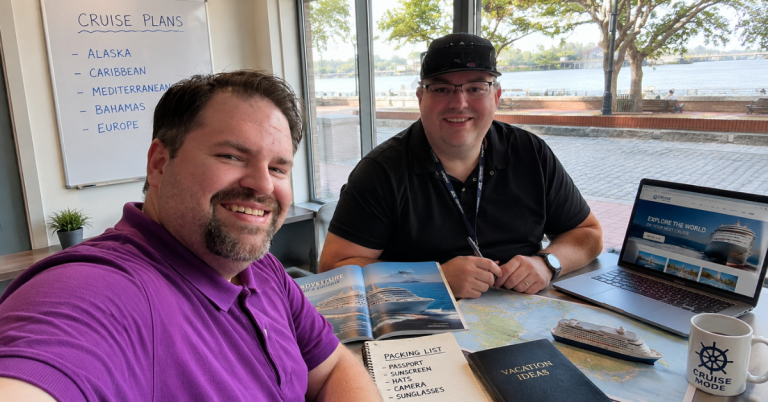
First-time cruisers who go in prepared come home converts. The format rewards people who know what to expect, and almost everything that goes wrong on a first cruise is something that could have been avoided with better information going in. If you are planning your first sailing and want someone to walk through the details with you, that is exactly what we are here for.

Kick off your shoes and let us do the work.

Ready to start planning? Barefoot Vacation Travel handles every detail so you show up rested and stay rested. Reach out at journeys@bvt.travel or visit barefootvacationtravel.com to get started.

Barefoot Vacation Travel is a boutique travel agency specializing in cruises, Disney, Universal, all-inclusive resorts, and group travel. Backed by 40+ sailings and a lifetime of Florida theme park expertise, the agency plans stress-free vacations for families and couples nationwide.

Similar Posts

Leave a Reply

Your email address will not be published. Required fields are marked *